
Shopping Centre Insurance Australia
Insurance for shopping centre buildings, rental income and property owners’ liability
A shopping centre brings together multiple businesses, shared facilities and a constant flow of visitors. Its insurance needs extend beyond the building itself to the income it generates, the services keeping it operational and the responsibilities associated with public access.
A serious incident can damage several tenancies, interrupt rental income and require substantial repairs. An injury in a common area can create a separate liability exposure.
Shopping centre insurance is a combination of covers assessed for a retail complex and its ownership interests. Depending on the arrangement, it may include property damage, loss of rental income, property owners’ public liability and equipment breakdown. Each cover needs to be selected and confirmed against the policy terms.
Clarke Lyons Insurance helps Australian commercial property owners assess their buildings, tenant activities and insurance requirements. Speak with our team about the protection available for your shopping centre or retail complex.
Request a Shopping Centre Insurance Quote
What Insurance Does a Shopping Centre Need?
Shopping centre owners should assess the building, owner-supplied assets, rental income and ownership-related liability together.
Property insurance, business interruption and property owners’ public liability are recognised components of insurance programmes for commercial property owners and shopping centres. The appropriate combination depends on the centre and insurer acceptance.
A review should establish:
-
Who owns the centre and associated assets.
-
The activities of every tenant and subtenant.
-
Responsibility for shared areas and services.
-
Building and equipment values.
-
Rental income and relevant outgoings.
-
Vacancy, refurbishment and planned changes.
-
The time needed to recover after significant damage.
For strata-titled centres, the scheme’s insurance arrangements also need consideration.
What Can Shopping Centre Insurance Cover?
Shopping Centre Building Insurance
Property cover may protect insured buildings and physical assets against covered damage. Commercial property arrangements can address a range of premises and values, with the selected wording determining the scope.
Identify how the proposed insurance treats:
-
Retail buildings and permanent structures.
-
Roofs, façades and fixed glazing.
-
Common areas and management offices.
-
Loading facilities and service corridors.
-
Owner-controlled parking areas.
-
Fixed services and external improvements.
-
Landlord-owned fixtures and installations.
Do not assume everything on the site falls within the building definition. Ownership and policy classification should be checked.
Fire, Storm and Other Material Damage
Commercial property policies can cover specified events such as fire, storm, theft, malicious damage and accidental damage, depending on the arrangement.
Ask specifically about flood, water damage, exclusions and event limits. A broad description such as “property insurance” does not establish that every cause of damage is insured.
Common-Area Contents
Prepare an inventory of movable assets belonging to the centre owner.
These may include management-office furniture, cleaning equipment, directory boards and other owner-supplied contents. Discuss fixed and movable items separately so their treatment is clear.
A shopping centre insurance assessment commonly considers common-area contents alongside the structure and rental income.
Glass and Shopfronts
Review responsibility for external glazing, internal glass and signage. Some items may belong to tenants or fall under lease obligations.
Glass cover can address specified breakage and associated temporary protection, subject to the selected product.
For larger centres, provide information about substantial glazed areas and specialist replacement requirements. Ask how temporary repairs, boarding-up and security expenses are treated.
Loss of Rent Insurance for Shopping Centres
Loss-of-rent cover may address eligible rental losses following insured damage. It should not be treated as a guarantee against every interruption to investment income.
A damaged centre may remain partly occupied while other areas are repaired. Provide a tenancy schedule and ask how the policy measures rental losses when only part of the premises is affected.
Discuss:
-
Base rent and other rental components.
-
Relevant recoverable outgoings.
-
Rent reviews and lease incentives.
-
The maximum indemnity period.
-
Partial occupation during repairs.
-
Any extensions affecting access or services.
The wording must establish the event that triggers cover and how a covered loss is calculated. Tenant default and ordinary vacancy require separate consideration.
Choosing an Indemnity Period
Consider the full recovery process rather than only the initial building repair estimate.
Discussion points include investigation, approvals, contractor availability, replacement of specialist services and restoration of usable tenancies. Ask how the policy treats delays and the steps needed to restore rental income.
A complex centre may need a different recovery assessment from a small neighbourhood retail complex.
Shopping Centre Public Liability Insurance
Shopping centres involve public access across entrances, walkways, food courts, stairs and parking areas. Liability needs assessment alongside physical property cover.
Property owners’ public liability addresses covered claims involving legal responsibility for third-party injury or property damage. The existence of an incident does not, by itself, establish liability or policy coverage.
QBE identifies slip, trip and fall exposures in shopping centres and highlights the importance of managing common areas. Lighting, access and maintenance arrangements are relevant to the risk assessment.
Provide information about:
-
Areas controlled by the owner or centre manager.
-
Cleaning and inspection arrangements.
-
Contractor responsibilities.
-
Shared access and delivery areas.
-
Temporary displays and centre events.
-
Maintenance and incident records.
Review the owner’s and tenants’ policies separately. A tenant’s public liability insurance should not be assumed to replace the centre owner’s protection.
Lifts, Escalators and Building Services
Shopping centres may rely on lifts, escalators, air conditioning, electrical infrastructure and other equipment to remain usable.
Physical damage to equipment and mechanical or electrical breakdown are different exposures.
Equipment breakdown insurance can be assessed separately for important building services. The equipment insured, covered causes and maintenance conditions need confirmation.
Discuss replacement lead times and the consequences of a prolonged failure. Ask whether associated financial losses can be insured rather than assuming breakdown automatically triggers rental-income cover.
Shopping Centre Insurance and Industrial Special Risks
Larger or more complex shopping centre assets may warrant an Industrial Special Risks insurance assessment.
ISR is a property insurance arrangement that can include material damage and business interruption. Suitability depends on declared values, activities and insurer requirements; it is not determined solely by calling a property a shopping centre.
For a portfolio, review each location’s values and exposures alongside any shared limits. Ask how a significant loss at one centre would interact with the overall programme.
Different Shopping Centre Properties Require Different Assessments
Neighbourhood Shopping Centres
Provide details of every tenancy, shared facilities and any vacant units. Explain the mix of retail, services and food businesses.
Supermarket-Anchored Centres
Identify ownership of equipment and fixtures around the anchor tenancy. Distinguish landlord assets from those belonging to the supermarket operator.
Shopping Malls and Enclosed Centres
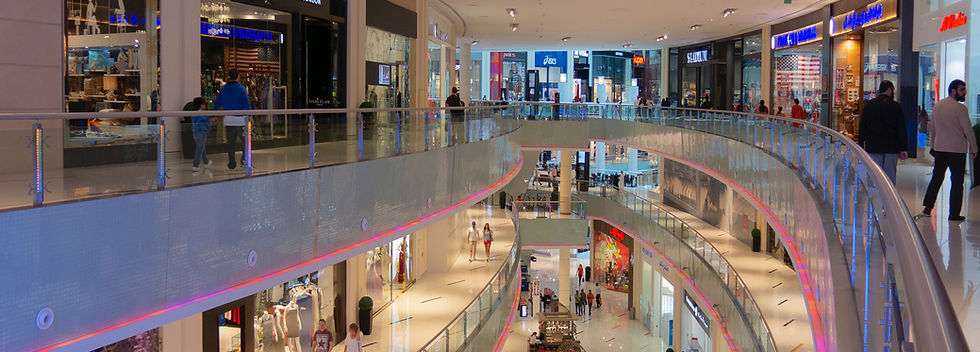
Describe common areas, vertical transport, building services and management arrangements. Include the activities occurring outside individual shops.
Retail Plazas and Open-Air Complexes
Explain external walkways, parking, awnings and loading areas. Identify who controls and maintains each area.
Mixed-Use Retail Developments
Disclose all commercial and residential uses. CHU identifies commercial strata insurance as relevant to certain mixed-use strata buildings.
Strata-Titled Shopping Centres
Obtain the scheme’s current insurance documents and identify the property and interests insured. Commercial strata arrangements can address shopping centre common property, while individual owners should assess their remaining interests separately.
Tenant Activities and Lease Insurance Requirements
An accurate tenancy schedule is essential. Describe what each business does, including activities behind the shopfront.
Food preparation, storage, repairs, subletting and alterations should be disclosed. Tenant activities can affect the building’s risk profile and its suitability for existing fire protection arrangements.
Retail leases commonly include tenant insurance requirements, as the Shopping Centre Council of Australia notes. Those requirements should be reviewed alongside the owner’s insurance rather than treated as a substitute for it.
Building Values, Vacancy and Refurbishment
Review insured values when buildings, services or owner-supplied assets change. Underinsurance can leave insufficient protection after a loss.
Ask about the rebuilding basis, relevant reconstruction expenses and any average or co-insurance provision.
Notify your broker about vacant areas and planned works. Security and inspections remain important during unoccupied periods. Construction exposures also deserve separate assessment; existing property cover should not be assumed to cover every refurbishment activity.
How Much Does Shopping Centre Insurance Cost?
A meaningful quotation requires detailed information about the property and the protection requested.
Prepare:
-
Ownership entity and property addresses.
-
Construction, age, floor area and condition.
-
Building values and equipment schedules.
-
A complete tenancy and occupancy schedule.
-
Rental income and relevant outgoings.
-
Fire protection and security information.
-
Liability and contractor arrangements.
-
Claims history and current policies.
-
Known issues, vacancy and proposed works.
Compare terms, excesses and limits alongside the premium.
Shopping Centre Insurance in Sydney and Across Australia
Clarke Lyons Insurance is based in Bondi Junction, Sydney, and works with Australian businesses.
Whether you are seeking shopping centre insurance in Sydney, Melbourne, Brisbane, Perth, Adelaide or regional Australia, provide the precise location and operating details.
For multiple centres, supply information for every site so the review reflects the whole portfolio.
Shopping Centre Insurance FAQs
Is shopping centre insurance the same as retail business insurance?
No. Centre insurance focuses on the owner’s property and associated interests. Retailers should assess their own stock, equipment, operational liability and business interruption.
Does shopping centre insurance cover rental income?
It can, where relevant cover is included. Check the insured event trigger, calculation method, indemnity period and limits.
Does it cover tenants who stop paying rent?
Not automatically. Rental loss following insured damage is different from tenant default. Ask whether suitable default protection is available.
Are customers’ vehicles automatically insured in the car park?
Do not assume so. A property owners’ liability assessment is different from comprehensive insurance for individual vehicles.
Are lifts and escalators covered for breakdown?
Check specifically. Property damage cover does not automatically establish mechanical or electrical breakdown protection.
Do all shopping centres need ISR insurance?
No universal rule applies. The appropriate arrangement depends on asset values, complexity, activities and insurer requirements.
Can a centre with vacant shops be insured?
Potentially, subject to insurer acceptance. Disclose the vacant areas and confirm conditions, security requirements and any restrictions.
What information is needed for a shopping centre insurance quote?
Provide building details, valuations, tenancy schedules, rental figures, equipment information, claims history and existing policies. Include vacancy, defects and planned works.
Request a Shopping Centre Insurance Review
Speak with Clarke Lyons Insurance about your centre’s buildings, rental income, equipment and property ownership liabilities.
Whether you own a neighbourhood shopping centre, a retail plaza or a larger shopping mall, begin with a review of the property and its actual exposures.
Call: 1300 18 13 12
Email: gareth@clarkelyons.com.au
Office: Level 7, 35 Spring Street, Bondi Junction NSW 2022.
Request a Shopping Centre Insurance Quote
This information is general. Cover depends on insurer acceptance, the policy wording, schedule, endorsements, limits and excesses.